



Hard Wax for Kazakhstan and Belarus: One Union, Two Label Languages
Most private-label wax programs aimed at the former Soviet space are drawn with a single arrow pointing at Moscow. That map is incomplete. Inside the same Eurasian Economic Union — one technical regulation, one conformity mark, one customs territory for five member states — sit two markets with their own importer networks, their own label rules and their own advantages as regional hubs: Kazakhstan and Belarus. For a hard-wax brand planning its second container, the practical questions are different from the first one: which member state should hold the paperwork, whose language goes on the bag, and how refrigerated product moves between hubs in a continental winter. This brief covers exactly those questions, for depilatory hard wax in bean form.
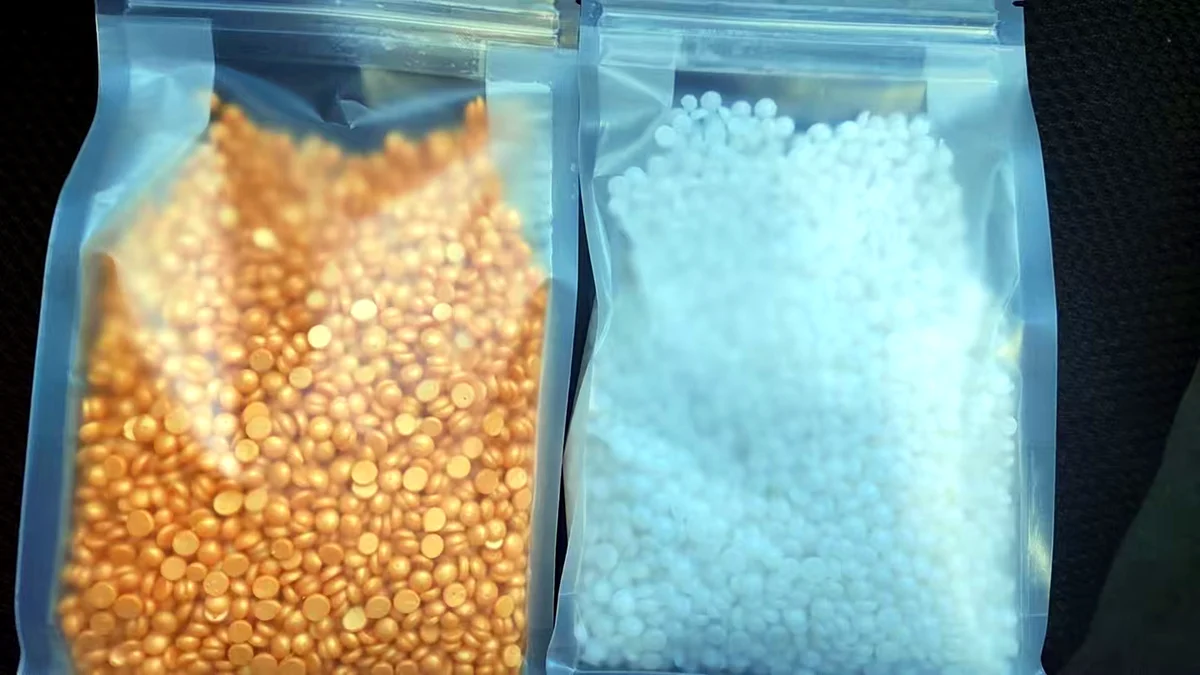
The unlabeled transparent bag travels first; the correct languages arrive at the hub, not at the factory.
Why the two secondary hubs are worth their own plan
Kazakhstan is the largest economy in Central Asia and the region’s natural distribution hub. Market estimates put the country’s beauty and personal-care market at over USD 1 billion a year, growing at roughly 4.7–6.0% annually, with skincare growing faster still; an estimated 86% of cosmetics on the market are imported — some industry-channel estimates go as high as 90% — and around 6,000 distributors of cosmetics and hygiene products operate in the country, while large-scale domestic cosmetics manufacturing remains thin (figures cited in a 2026 trade-show organizer brief referencing Statista and Euromonitor data). That combination — high demand, low local supply, dense import networks — is precisely the profile where a foreign factory with private-label capability has leverage.
Belarus plays a different card: geography and institutions. Minsk sits inside the same customs union as Moscow, on the direct road and rail corridor into western Russia, with an importer community that has run Russian-language labeling and EAEU documentation for over a decade. For many brands, a Belarusian importer with established warehousing is a pragmatic secondary entry point into the union — and a market of its own, where waxing services in Minsk salons follow the same professional-school training traditions as in Russia.
USD 1B+
Kazakhstan beauty and personal-care market per year, growing 4.7–6.0% (organizer brief citing Statista/Euromonitor, 2026)
~86%
Share of cosmetics on the Kazakh market that are imported; industry-channel estimates run to 90% (same brief, 2026)
~6,000
Active distributors of cosmetics and hygiene products in Kazakhstan (same brief, 2026)
One technical regulation, five member states
The regulatory frame is TR CU 009/2011, the Eurasian Economic Union’s technical regulation on the safety of perfume and cosmetics. It applies across Russia, Belarus, Kazakhstan, Armenia and Kyrgyzstan, and it treats the whole union as one market: conformity assessment done once in any member state travels with the product across all five borders. The conformity mark is the EAC mark, and the file — composition, toxicological and microbiological documentation, labeling proofs — is held by the party established in the union who places the product on the market.
Two cautions belong in every first conversation, and both have been covered in depth in our earlier Russia & CIS briefs (linked at the end). First, depilatory products sit in the category that requires state registration (SGR) rather than a simple declaration — a hygienic registration with a toxicological and microbiological dossier, and it must be complete before the first commercial shipment, not retrofitted after customs asks. Second, traceability marking under Russia’s Chestny Znak system is a Russian requirement; the other four member states run their own national rules. Do not print anything that assumes one answer covers the union — ask the importer in each country what applies, in writing, before artwork.
We supply the product and the technical documentation; the registration and the market-side obligations belong to the party placing the goods on the market. That division is not a disclaimer — it is how the union’s rules assign responsibility, and a serious distributor will recognize it as such.
The two-language problem, solved at the hub
This is where Kazakhstan and Belarus stop being interchangeable. Under TR CU 009/2011, cosmetic labels must carry the mandated information — product name and purpose, manufacturer, importer and claims-receiving organization, country of origin, net quantity, batch, shelf life, storage conditions, warnings and the full INCI ingredient list — in Russian and in the official language of the member state where the product is placed on the market. In practice that means:
Kazakhstan: the bag or its label must carry Kazakh and Russian; certification-service guidance for the market notes minimum type heights of about 1.2 mm and that incomplete labeling can hold goods at customs (certification-body guidance, 2025–2026; confirm current practice with your importer). Belarus: Russian is the working language of the label, and importers will tell you quickly whether their channel expects Belarusian alongside it — practice varies by retailer. Russia: Russian, plus whatever traceability marking the importer must apply.
For a factory in Asia, the arithmetic is unglamorous but decisive: four SKUs × two to three language variants = a small set of label artworks, each revised whenever a formula or claim changes. This is exactly the case our unlabeled transparent bags are built for. The bags ship with the batch number applied at the factory; the buyer applies their own compliant labels at the hub — Kazakh-Russian in Almaty, Russian in Minsk, Russian-plus-Chestny-Znak in Moscow — from one stock of product, with a low MOQ and no printing cycle at the factory. The label work moves to where the language rules live, and the warehouse in each country owns its own revisions.
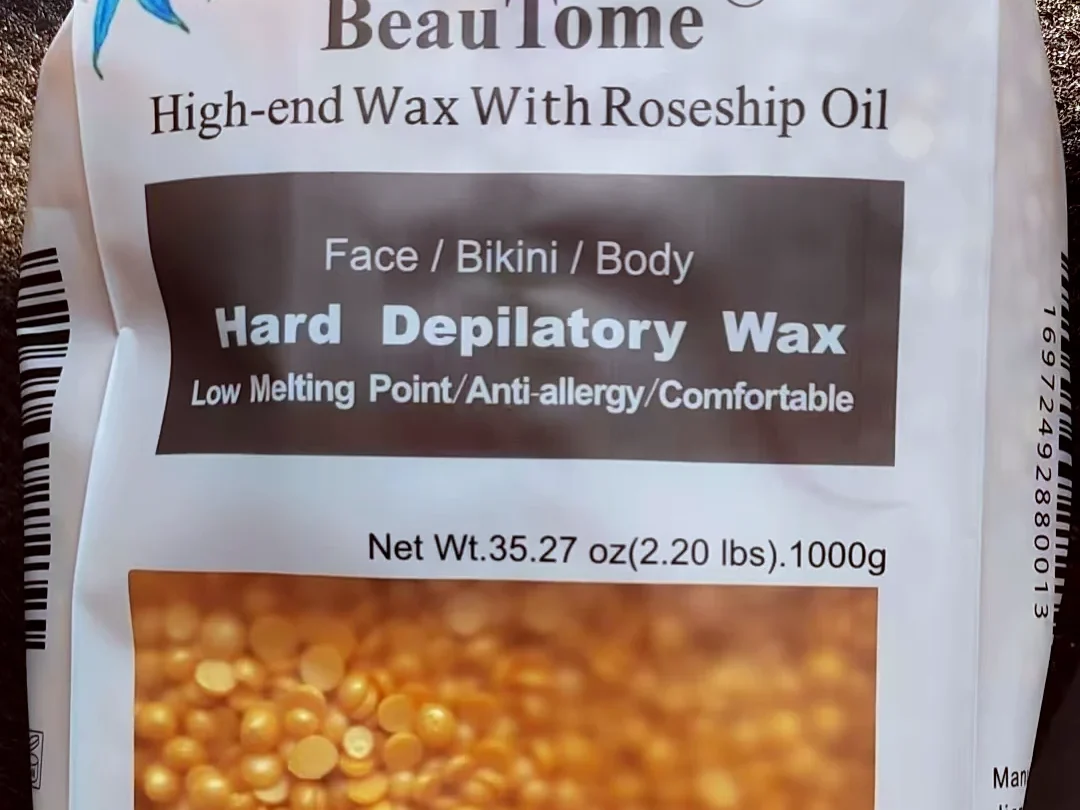
One stock of beads, three label artworks: the hub applies the language the border actually asks for.
Moving wax between hubs in a continental winter
Hard wax beads tolerate cold better than heat — but repeated freeze–thaw cycling, not cold itself, is what quality specifications worry about. Our storage guidance is 15–24 °C, dry, out of direct sun, and sealed bags opened only after the contents have returned to room temperature to avoid condensation on cold beads. Those constraints shape the freight plan between hubs:
Almaty to the region is short-haul: roughly 230 km by road to Bishkek and around 700 km to Tashkent — truck distances where a scheduled reefer or even a well-timed dry van in a mild month is a decision, not a project. Minsk to the west is corridor-haul: the road and rail lines into western Russia run through Belarus by design, which is why Belarusian warehousing appeals to brands feeding Russian distribution. Moscow to Almaty is long-haul: on the order of 3,300 km by road — multi-day transit through a continental winter where overnight temperatures make uncontrolled dry vans a gamble for consumer-goods quality, whatever the product. The practical rule our CIS buyers converge on: temperature-controlled transport for the long legs, and a December delivery plan booked before November, because reefer capacity in the region tightens exactly when salon demand peaks for the New Year season.
The four-formula range, mapped to the two hubs
Nothing about the two-hub model changes the product architecture; it changes which SKU leads the conversation:
Formula A1 — rosin-free flagship, melting at 45–50 °C. The sensitive-skin and first-time-client formula; Gold & Pink as standard colors, White as a custom color produced to order. The lower working window is a genuine selling point in treatment rooms where winter dry skin makes aggressive pulls unpopular. Formula A2 — premium rosin salon wax in Cream White beads, the elastic pull for short, coarse hair — the back-and-chest workhorse in men’s grooming, a segment growing in both markets’ barbershop scene. Consumer-Grade Hard Wax, melting at 55–60 °C — the film-wax volume line for retail and entry professional tiers. All-Purpose Soft Wax in 450 g cans for strip-based menus. Pack sizes run 300 g, 500 g and 1000 g: trial and mobile work, salon mainstay, and the high-flow back bar respectively.
Before any first order, the three tests that matter: confirm the melt window against your rooms’ ambient temperatures, run the pull test on your own client base’s hair types, and age a sample bag through one real transport leg before committing the container. We provide samples in the same transparent bags the commercial goods ship in, so what you test is what you buy.
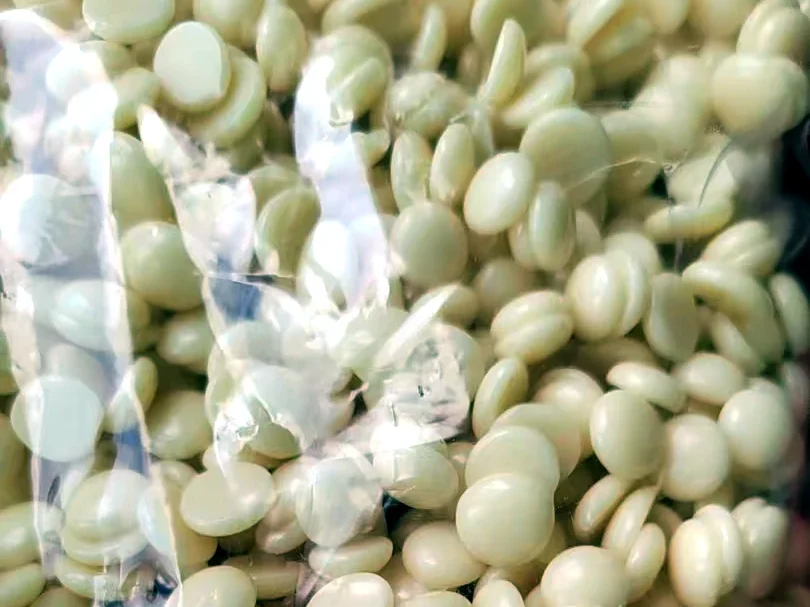
A2 Cream White: the elastic pull for short, coarse hair — the formula that leads men’s grooming conversations in both hubs.
Quick FAQ
If my SGR registration is done in Kazakhstan, can I sell the same bag in Belarus and Russia?
Do the unlabeled transparent bags get through Kazakh customs without full labeling?
Can we get a trial order for the Almaty market without committing to a container?
Next step
Tell us which hub you are building from — Almaty, Minsk or both — and we will return the four-formula trial set, the technical documentation package and a quotation matched to your labeling plan. Contact Miro Wu, Dedicated Account Manager — email miro.wu@beautome.com or WhatsApp +86 188 1393 3019.
Related: the SGR registration and Chestny Znak brief, the cold-weather logistics brief, the replenishment-rhythm brief, and the wax formulas product page.