







Wax Heaters for Philippine Salons: 220 V, 60 Hz and the BPS Import File
The Philippine beauty market keeps growing through inflation, and the waxing menu grows with it — which makes the archipelago one of the more under-supplied heater markets in Southeast Asia. But a first container to Manila fails on three ordinary things: the grid that is neither 230 V nor 120 V but its own 220 V at 60 Hz, the flat-pin plug that belongs to no European standard, and an import file that must be cleared shipment by shipment by the importer on the ground. Here is what the market looks like, what the electrical reality demands, and how to structure an order that clears Customs without a surprise.
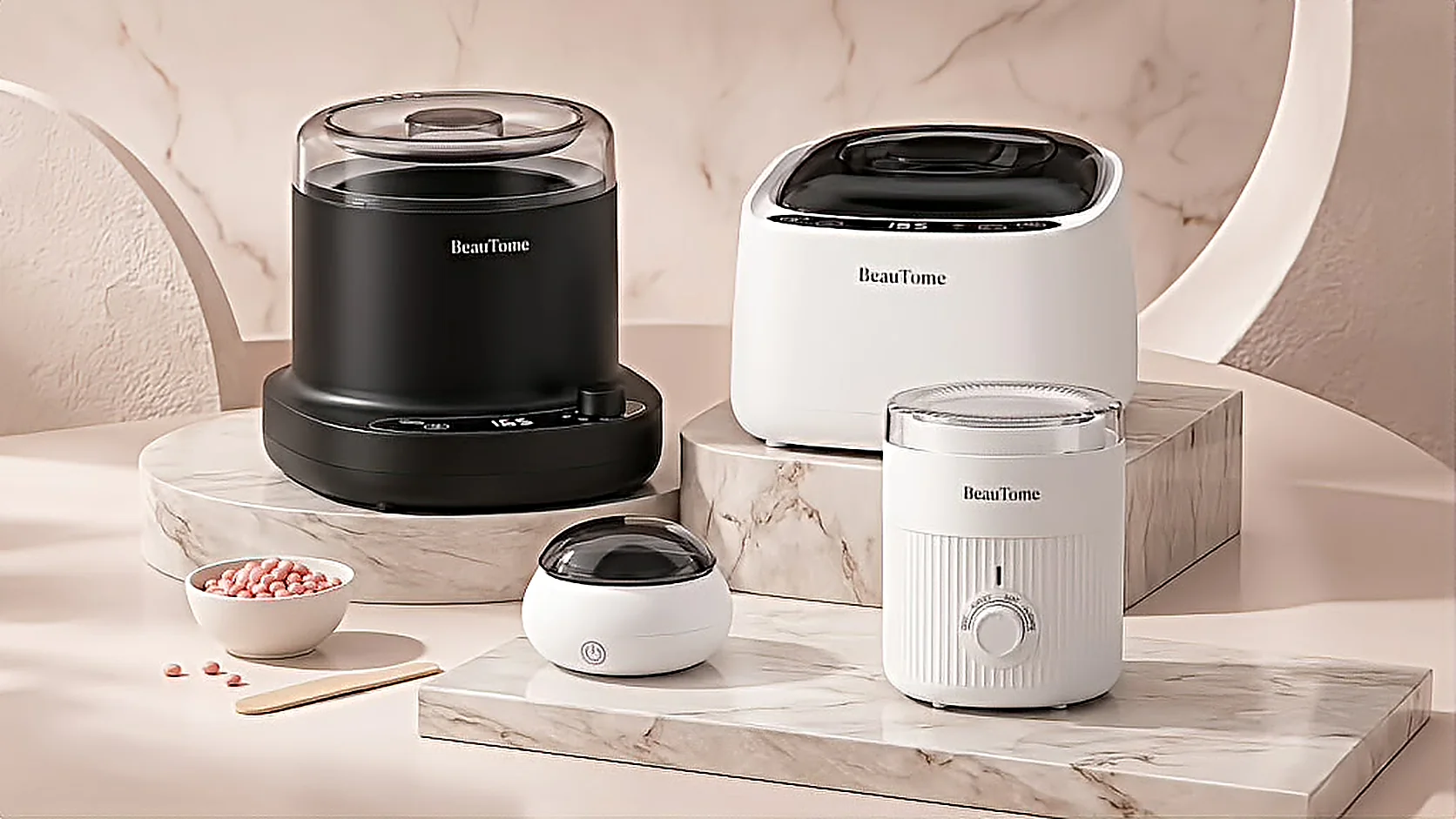
Ten models, 20–800 ml: the ladder that covers brow bars, mall salons and spa chains in one brand.
A market that grows while budgets tighten
The demand picture is unusual. The Chamber of Cosmetics Industry of the Philippines reported that beauty and personal care grew 10.1% in 2025, with industry expectations of another 9–10% in 2026 — near-double-digit growth in an economy where households were cutting travel and big-ticket spending. Euromonitor’s 2026 country report attributes the momentum to a population of about 117 million and annual consumer spending above the 21-trillion-peso scale and a retail blend of physical counters and platforms like Shopee and TikTok Shop. Salons sit inside that same spend: facial care, hair removal and brow services are the affordable-indulgence categories that keep growing when households defer larger purchases.
For a heater distributor, the structure of the trade matters as much as the growth rate. The market runs on mall-based chains, dense independent salons, and a fast-growing home-studio segment of technicians who work from residential neighborhoods. All three buy on the same logic: a dependable pot, a price that survives a peso-denominated price list, and a supplier who answers the electrical and paperwork questions before they are asked.
220 V at 60 Hz is a specification, not a rounding error
The Philippine grid runs 220 V nominal at 60 Hz — nominally close to Europe’s 230 V, but the frequency is the Atlantic side’s, not the Pacific’s neighbors’. For a resistive heater the element itself does not care about frequency, and that is precisely the trap: a quotation built from a European datasheet ships 60 Hz-sensitive components — indicator transformers, some electronic control boards, fan-cooled assemblies — that were tested at 50 Hz. Ask the supplier to confirm the control board, thermostat electronics and any cooling components are rated 220–240 V at 50/60 Hz, and to state the nameplate power measured at 220 V.
The second grid reality is voltage stability. Brownouts are an operational fact of the market, and the moments after power restoration carry surges that reach every outlet in the salon. A heater that was already mid-cycle when the line dropped will be asked to resume into that surge. This is where chip-based temperature control earns its premium over bimetal thermostats: the controller holds the setpoint through interruptions and fluctuations instead of drifting hotter after every event, and drift means overheated wax, reduced elasticity and redo work. Ask what the control electronics do on power restoration — a deliberate reheat cycle from the setpoint is the correct behavior, and worth one line on the purchase order.
Third: the plug. Philippine outlets take flat parallel pins — type A two-pin and type B three-pin with ground, the NEMA-family geometry shared with North America and Japan. No European cord set fits without an adapter, and adapters in a wet, busy salon are a safety problem as well as an inspection problem. Specify the Philippine plug on the purchase order line itself — plug type, rating and grounding — the same way you specify voltage.
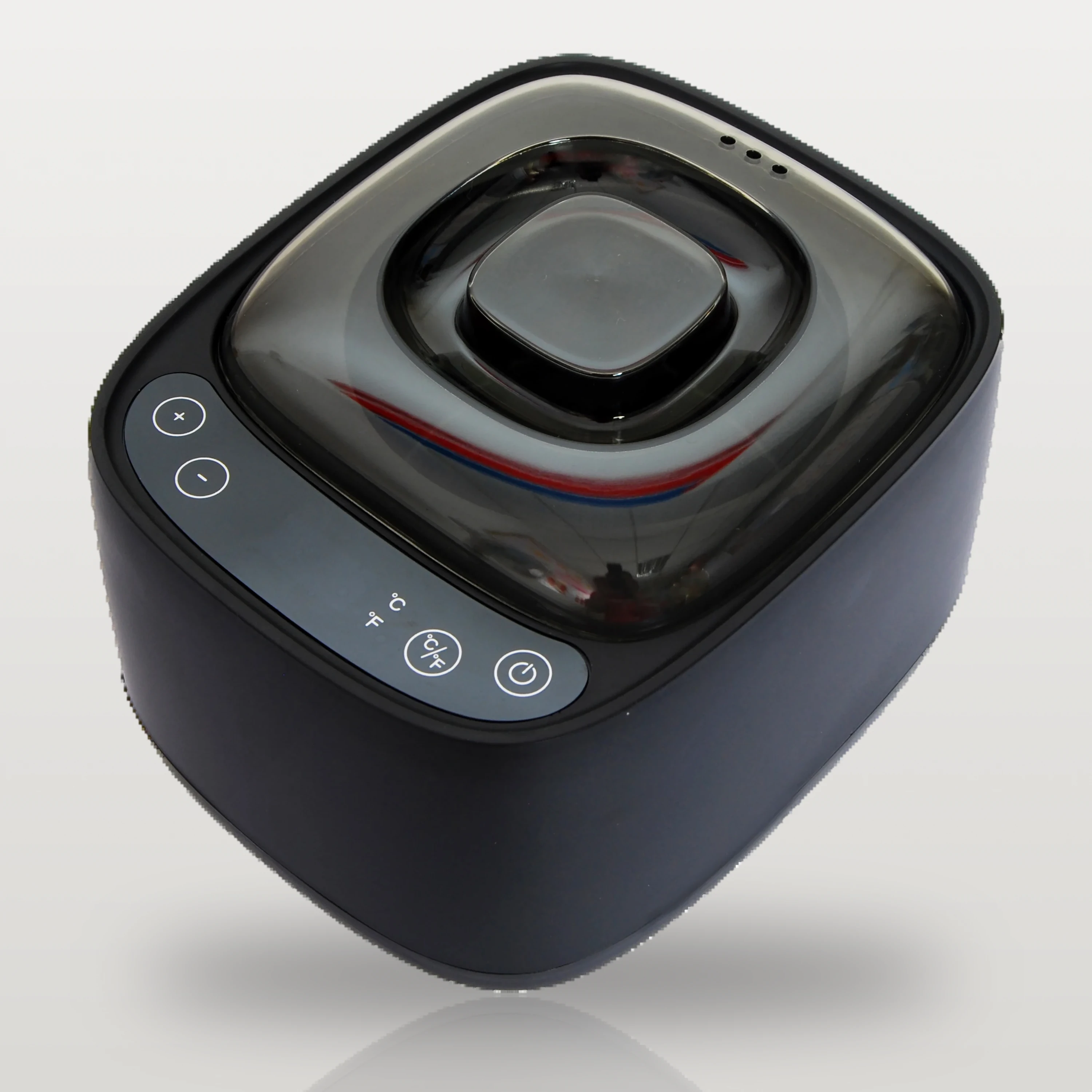
A 450 ml pot holds roughly 400 g of beads — about one technician’s working day.
The BPS file: cleared per shipment, held by your importer
The Philippines runs a mandatory product certification scheme under the Bureau of Philippine Standards (BPS) of the Department of Trade and Industry. Products covered by the scheme need one of two marks: the PS mark for locally manufactured goods, or the ICC — Import Commodity Clearance — for imports, secured per shipment before release. The framework is well documented on the BPS portal: the importer files the clearance with packing list and import entry documentation, and the covered product carries the ICC sticker or mark when it reaches the market. Philippine National Standards in this category align with the IEC 60335 household-appliance series, so a heater tested against IEC 60335-1 and its relevant part gives the importer a clean basis to work from.
Two practical notes keep the file boring — which is the goal. First, confirm with your Philippine importer whether the specific heater models fall under the current mandatory list, and for which configurations, before the container is booked; coverage depends on the product category and the list is the importer’s daily business, not yours. Second, remember the ICC belongs to the importer: your job as the exporter is to supply the documents that make the clearance fast — test reports against the relevant PNS/IEC standards, a specification sheet stating voltage, frequency, power and plug, and the labeling artwork. We supply all three with every Philippine order; the paperwork travels with the quotation, not after it.
What you should not do is ship first and certify later. A container held at Manila ports accrues storage by the day, and the ICC cannot be improvised at the pier.
Sizing the fleet for three salon types
The ten-model range from 20 to 800 ml maps onto the Philippine trade cleanly. The 20 ml PW6 graphene mini is the brow-and-detail tool for mall kiosks and lash bars. The 180 ml PW8 and the 250 ml PW2B serve the single-room home studio — the fastest-growing buyer type, where counter space is small and every machine must justify its footprint. The workhorses are the 450 ml class: the W5 and W6 plus the BWW5K entry knob model (30–125 °C), each holding about 400 g of beads — one technician’s day. The 500 ml W2 with the digital display anchors the reception counter of a mid-size salon, and the 800 ml SW1B and the SW6B·8B double pot belong in spa chains that run two working temperatures side by side.
That last point deserves its own sentence in any Philippine quotation: two working temperatures means two pots. A 45–50 °C rosin-free formula and a 55–60 °C film wax cannot share one setpoint without one of them waiting — and waiting is capacity lost during the December peak, when mall salons run at holiday volume. The double-pot station is priced less than two single heaters, and it sells itself during the demonstration.
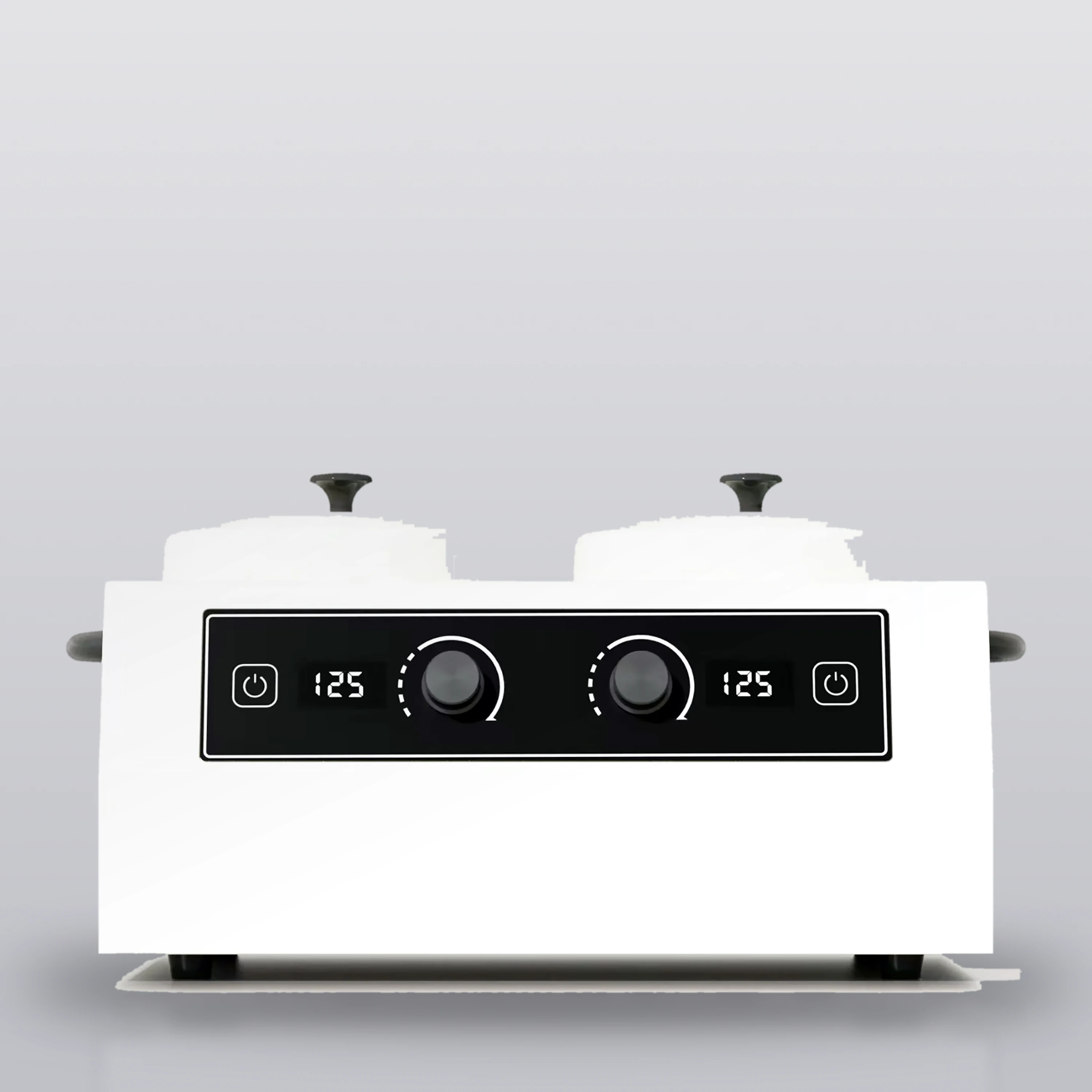
The double pot runs 45–50 °C and 55–60 °C side by side — two temperatures without losing a chair.
Humidity, spare parts and the December peak
Tropical humidity attacks a heater at three points: the inner pot finish, the lid fit and the switch gear. Specify 220 V replacement elements, inner pots and controllers at 1:10 of fleet size — the ratio that keeps a twelve-branch chain running without air-freighting a part. Shipping and storage deserve one line too: heaters shipped through a hot, humid monsoon season should be palletized dry, and wax stocked alongside them wants the same discipline as everywhere in Southeast Asia — a 15–24 °C storage band and beads allowed to return to room temperature before bags are opened, to keep condensation off the product.
Then plan for the calendar. Philippine mall traffic peaks from December through the January sale season, and salons hire seasonal technicians who have never melted wax professionally. A one-page startup card — fill line, setpoint, first-full-melt timing, cleanup — keeps seasonal staff from costing the salon a pot of overcooked wax. We provide it in the order; translate it into Tagalog or the chain’s house language and it becomes part of your after-sales story.
Quick FAQ
Can we import a European 230 V heater and use adapters?
Who applies for the ICC, us or the buyer?
How many heaters does a new waxing salon actually need?
Next step
Tell us your buyer mix — mall chain, home studios or spa group — and we will return the recommended fleet, the 220 V / 60 Hz specification with the Philippine plug, the test-report package for your importer’s BPS file and a sample quotation. Contact Miro Wu, Dedicated Account Manager — email miro.wu@beautome.com or WhatsApp +86 188 1393 3019.
Related: why 100 V Japan is a redesign, not a conversion, the 120 V Canada file, the full heater range, and the complete product line.