







The 90-Day Nose Wax Kit Rehearsal: What E-Commerce Brands Test Before the First Order
A nose wax kit looks like the simplest product in the wax category: one box, one price, one obvious use case. That is exactly why it fails quietly. The heater is electrical, the wax is a cosmetic, the box is packaging, and the listing is a retail surface — four rulebooks running on four different clocks. This is the rehearsal we run with e-commerce brands before they commit to a branded run: ninety days, trial quantities, and five gates that each answer a question the launch would otherwise answer for you, at full price.
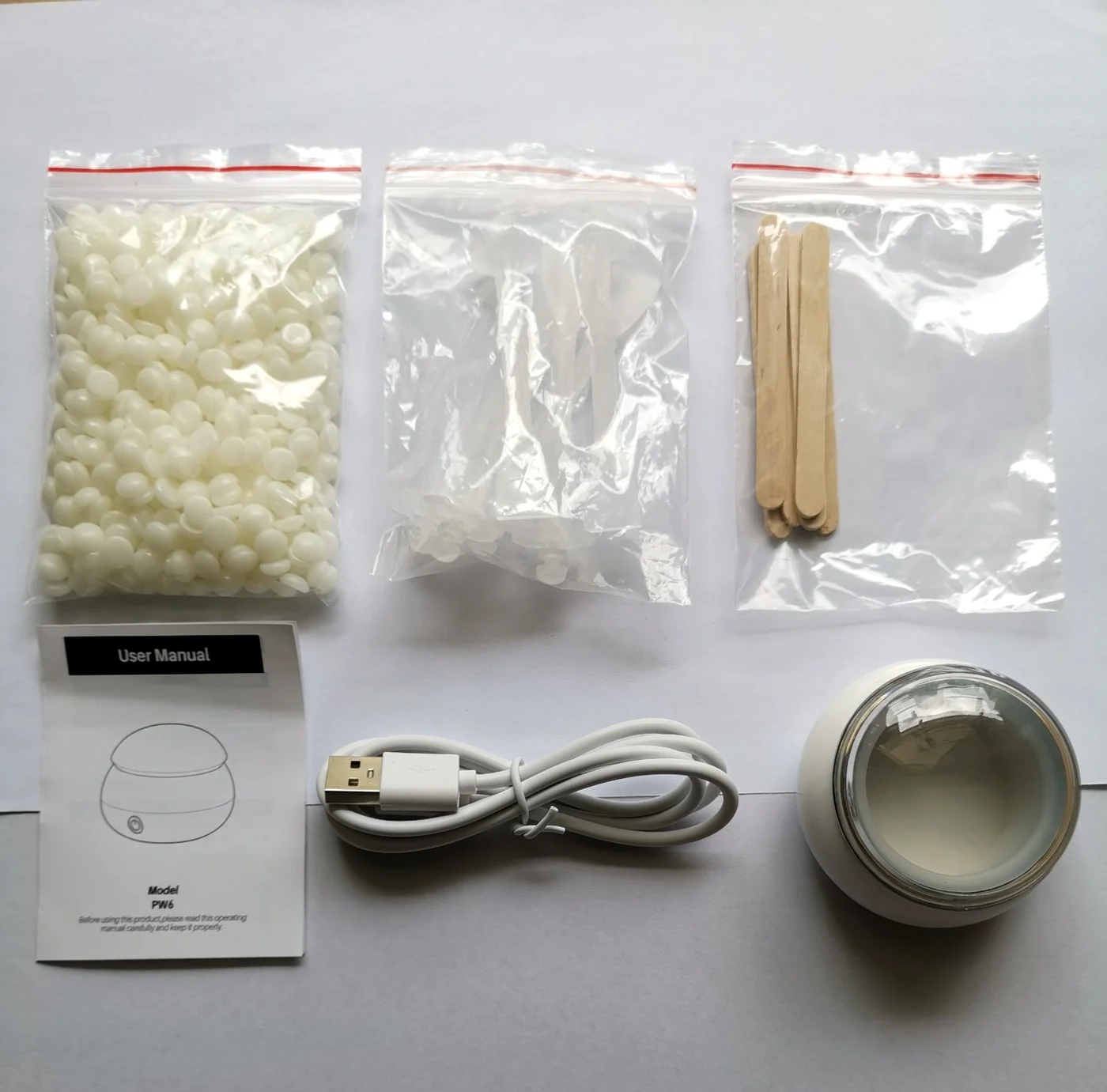
The rehearsal box: PW6 heater, Formula A1 in a 50 g bag, ten wooden applicators, ten nose rods, Type-C cable and manual.
Why a rehearsal beats a launch
Most first orders are placed to answer a question the buyer has not yet written down. Will this kit sell at this price? Will the box survive a marketplace warehouse? Does the label pass customs? Every one of those is answerable before the container — and answering them after the container is how brands end up with eleven months of stock and a listing that cannot be changed without reprinting.
The rehearsal is not a smaller launch. It is a different sequence: test the physical product at trial scale, model the money before the price is set, start the compliance clocks early, and only then buy. The kit itself never changes between the rehearsal and the branded run — the heater, the wax and the accessories are the same components. What changes is who is on the box, and how much of it you own.
We built the kit around the PW6 USB mini heater and rosin-free Formula A1, and described the configuration in detail in the kit specification article. This piece is the other half: the calendar and the checkpoints a brand should run before signing a production order.
The 90-day calendar
Ninety days is not a marketing number. It is roughly the shortest path that lets a compliance filing, an artwork cycle and a sea freight booking overlap instead of queue. Run the phases in parallel where the table allows; run them in order where it does not.
| Phase | Weeks | What you actually do | What it decides |
|---|---|---|---|
| 1. Sample box | 1–2 | Order neutral kits, put them in front of real users, photograph everything | Whether the format works at all — and which photos you will need later |
| 2. Cost model | 3–4 | Build the landed-cost line, set a price ladder, stress-test the margin at 60% of forecast volume | The retail price, and whether the kit can carry paid acquisition |
| 3. Compliance | 3–6 | Appoint a Responsible Person, file the cosmetic notification, settle the electrical scope | Which markets you can legally sell into on day one |
| 4. Listing | 5–8 | Artwork, labels, carton, listing copy, A+ modules, claim review | Whether the product can be described honestly and still convert |
| 5. First order | 7–10 | Neutral trial stock or a branded run, QC, freight, inbound | How much inventory risk you take before the first sell-through signal |
Act one: the sample box is a test rig, not a preview
Order the neutral kit — no logo, white housing, unlabeled wax bag — and treat the first two weeks as a test rig. The point is not to see whether it looks nice. The point is to find the four or five physical details that will appear in reviews if nobody catches them now.
- Heat-up and melt time. The PW6 reaches working temperature in roughly three minutes and melts a load of hard wax in about seven to nine minutes on Type-C power. Time it yourself, on the adapter you intend to ship, not on a laptop port.
- Pot depth against real use. The 20 ml pot is deliberately small: it melts what one nose, brow or lip service needs, and no more. Check that your team can load it without overfilling, and that the cover still seats with wax in the pot.
- The 50 g bag as a consumption unit. A 50 g resealable bag is sized to the consumption rate of facial work, which is why it is the unit in the kit. Use one bag to completion and write down how many services it actually covered — that number becomes your reorder estimate.
- Cleaning, honestly. Press the sides, push the pot up from the bottom, lift out the cooled wax. If your testers find this fiddly, the listing needs a cleaning GIF, not a smaller pot.
- The base label. Model number, voltage and power rating, CE and FCC marks. Photograph it. Marketplaces and customs both ask for it, and it is easier to supply a photo than to explain a missing mark.
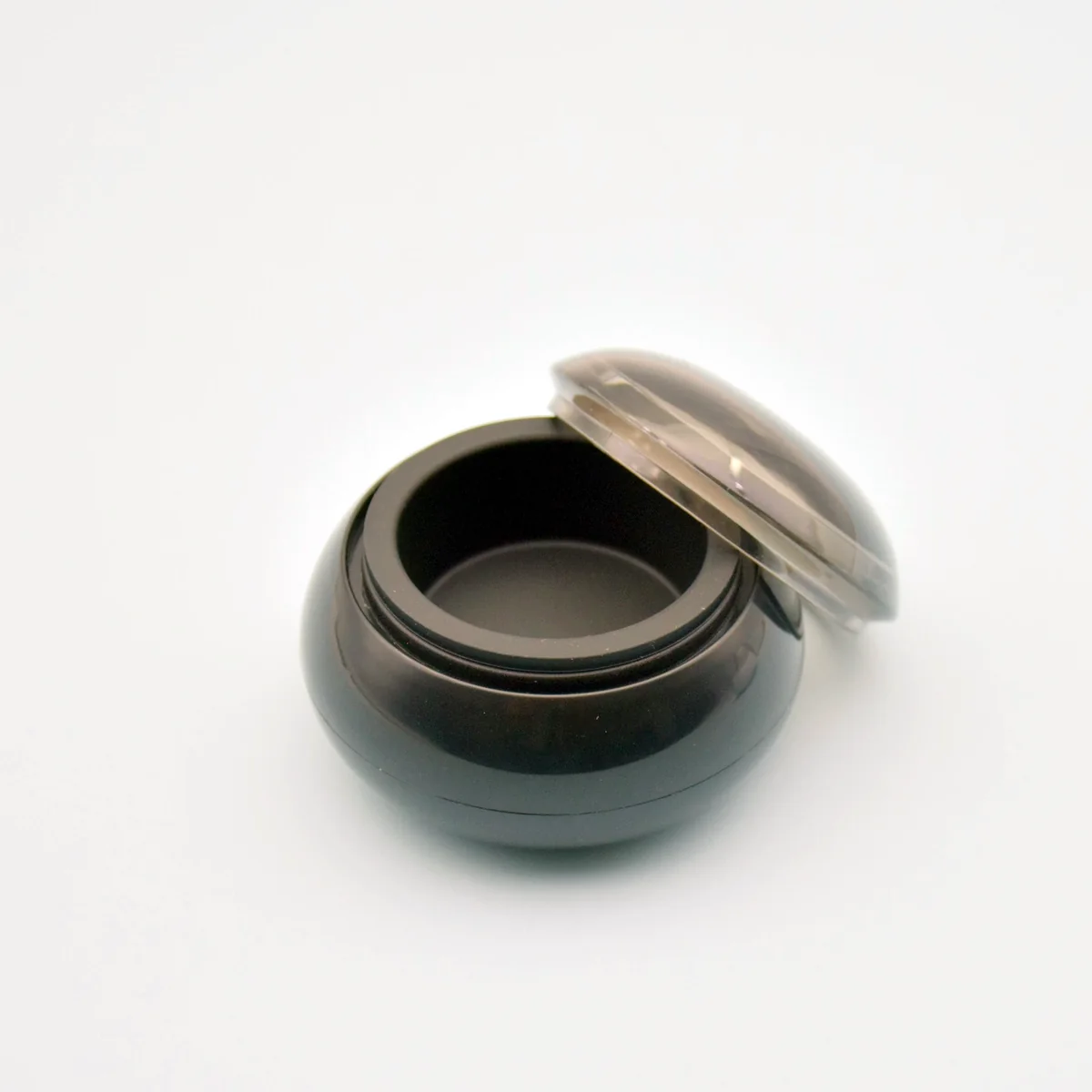
The 20 ml pot, open. Small on purpose: it melts one service at a time, which is the whole argument against microwave kits.
Photograph the box open, closed, in hand for scale, and mid-service. Those four shots are the raw material for the listing later, and taking them at sample stage costs nothing; reshooting after the branded run costs a production slot.
Act two: the cost line that kills listings
The mistake we see most often is modelling the kit as “heater plus wax, plus freight”. At trial volumes the components are rarely the problem. Packaging, prep and returns are. A rigid box with a moulded insert, a printed sleeve, a poly bag and a carton mark can cost more per unit than the heater inside it, and none of that shows up in a component quotation.
Build the model as a stack, not a number. The percentages below are planning ranges to start the conversation with your own account data — they are not a quotation and they are not our costs.
| Line | What belongs in it | Plan against |
|---|---|---|
| Product cost | Heater, wax, applicators, rods, cable, manual, assembly | Per configuration, quoted |
| Packaging | Retail box, insert, sleeve or label, poly bag, master carton | Often 15–30% of product cost at trial volume |
| Freight & insurance | Air for the trial, sea for the run; duty at the HS code level | Air can multiply unit freight 4–8× versus sea |
| Marketplace fees | Referral fee, fulfilment fee or 3PL pick-and-pack | 8–20% depending on marketplace and category |
| Prep & inbound | FNSKU labelling, bundle bagging, carton compliance | Per unit, per warehouse |
| Returns & replacement | Damaged heaters, leaked bags, buyer remorse | Reserve 3–8% of revenue |
| Acquisition | Ad cost per unit at your target ACOS | The number that decides the retail price |
Then set three prices, not one: a trial price for the first cohort (covers cost, buys reviews), a core price for steady state, and a bundle price for two kits or a kit plus refill. If the core price cannot carry acquisition and a 3–8% returns reserve at 60% of your forecast volume, the problem is the format or the market — not the supplier’s unit price. Better to learn that in week four than in month seven.
Act three: compliance sits on two rulebooks
This is the part brands underestimate, because the product feels like one thing. Legally it is two. The wax is a cosmetic. The heater is an electrical appliance. They are regulated by different authorities, and a kit that bundles them does not merge the obligations.
The cosmetic side. In the EU, a cosmetic product needs a Responsible Person established in the Union, a Product Information File, and a CPNP notification before it is placed on the market; the label must carry the RP name and address, the batch number, the ingredient list in INCI form, and either a period-after-opening symbol or a best-before date. The UK runs its own notification through the SCPN and its own RP requirement. In the United States, wax is a cosmetic and not a drug, which sets both the labelling rules and the claims you may make. Whichever market you enter, those filings belong to the brand placing the product on the market — we can supply the technical and safety information you need to file, but we cannot file as you.
The electrical side. The PW6 base label carries the model number, the input ratings (5V=2A, 9V=2A, 12V=1.8A, 10–22.5 W) and CE and FCC marks. What that does not cover is the adapter you put in the box. If you bundle a USB power supply, that adapter carries its own approval scope and its own documentation, and it can quietly change your compliance position in a market. Decide early whether the kit ships with an adapter or asks the customer to use one they own — it is a one-line decision that affects cost, customs description and electrical compliance at the same time.
The claims. We will not write, and will flag in any draft, the three lines that turn a cosmetic into an unapproved drug claim or an unsupportable promise: that the result is permanent, that the process is painless, and that the product is hygienic in the antibacterial sense. Nose waxing is a mechanical hair removal method; it is not for every skin type, and a patch test belongs in the manual and in the listing. A listing that says “for most skin types, patch test first” converts better over twelve months than one that says “painless” and collects one-star reviews in month two.
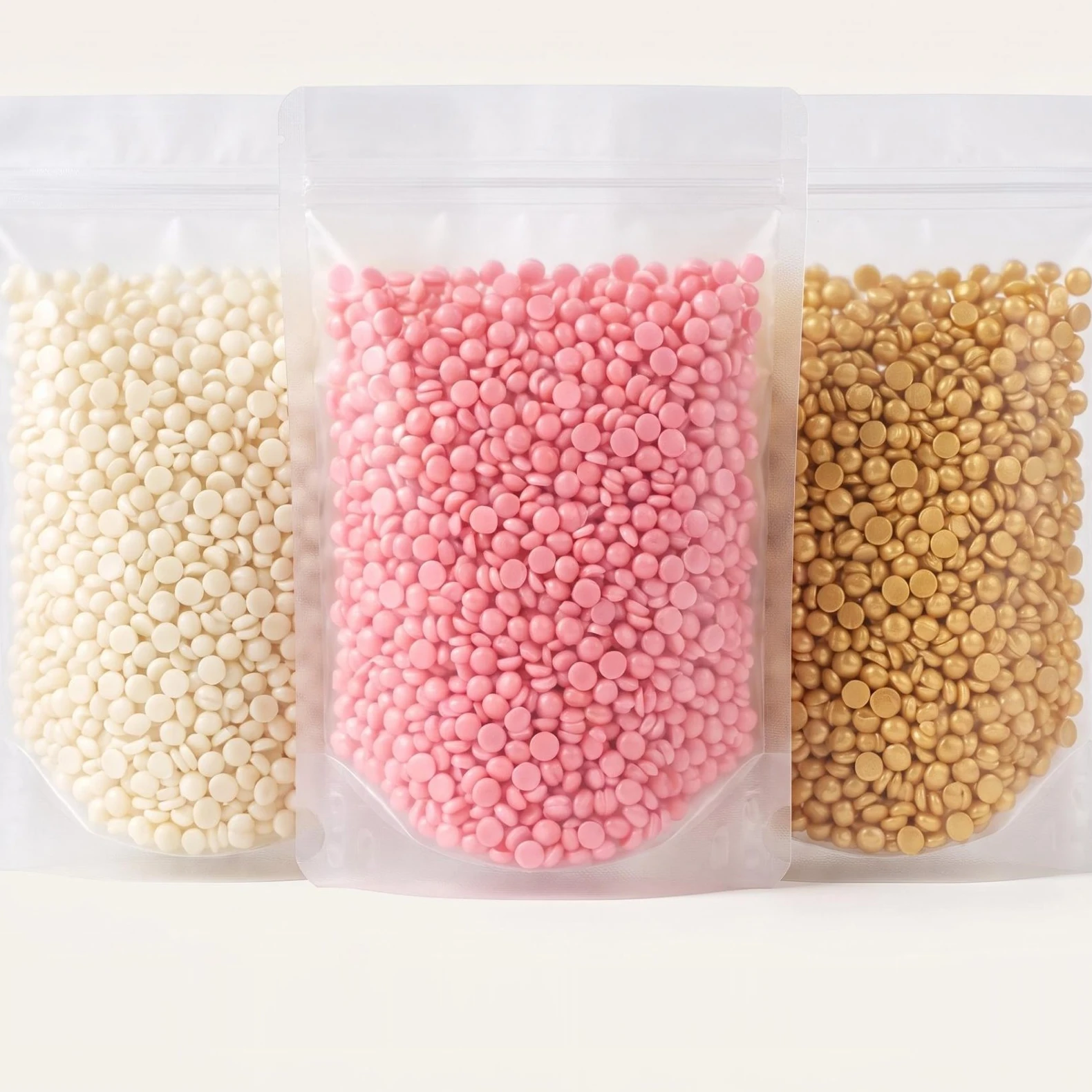
Formula A1 colourways. One colour is a stocked run; a custom shade is a separate minimum.
Act four: the listing is five photographs and one honest paragraph
Nose waxing is a visual category, and the winning listing is rarely the prettiest. It is the one where the buyer can see, in the first three images, exactly what arrives and exactly what happens. Build it as a sequence:
- Flat-lay of everything in the box. The single most important image. It answers “what do I get” and it reduces the most common return reason in kits: missing-piece confusion.
- Scale shot in hand. The PW6 is pocket-size; without scale, buyers assume it is either a salon unit or a toy.
- Heat and melt, in progress. Wax at working consistency in the pot, cover seated, cable visible. This is where a USB heater beats a microwave kit in the buyer’s mind.
- The application, close but clinical. Applicator, angle, nostril edge. Keep it procedural; marketplace image policies are stricter than most brand teams expect.
- What is in the refill. The 50 g bag and the nose rods, shot as a pair. This is the image that sets up the second purchase.
Then the copy, in four blocks: who it is for, what is in the box, how a service runs from cold pot to clean-up, and what to expect in the first week. That last block is the one most listings skip and the one that protects the rating. Say that the wax sets quickly, that the pull is one motion, and that a patch test is the first step. Nothing in that paragraph is exciting, and it is the reason the reviews stay at four stars and above.
The commercial logic underneath is the consumable. Nose rods and wax are used up; the heater is not. A kit with a clear refill path has a second sale built in, which is what makes the acquisition cost in act two survivable. If your listing treats the kit as a one-off gift item, the maths only works at full price with no ads.
Act five: the first purchase order
Two legitimate routes, and the difference is not courage — it is what you already know.
Neutral trial stock. White housing, no logo, unlabeled transparent wax bags, stock carton. It ships in trial quantities, needs no artwork cycle, and lets you test price, photography and channel with the exact product you will later brand. If the listing does not convert, you have lost a small batch instead of a print run.
Branded run. Logo on the heater, printed wax bag or sleeve, printed retail box. Here the binding minimum on the kit is set by the heater run, and we confirm it against your configuration in the quotation — the wax side has its own rule, and a single custom colour starts at 1,080 pcs. Ask for both numbers as a pair, because a kit is only as orderable as its scarcest component.
Put five things in the purchase order itself, not in email threads: the exact bill of materials with gram weights and accessory counts, the approved artwork file and version, the batch or lot code format, the master carton mark and quantity, and the QC photo set you expect before shipment. On a kit, an accessory count error — nine rods instead of ten — is invisible until a customer counts, and then it is a review, not a rework.
One discipline worth keeping: order the rehearsal quantity even when the price break tempts you upward. The first branded run is a data purchase as much as an inventory purchase, and the second order — placed with sell-through numbers in hand — is where the volume belongs.
What the rehearsal usually changes
Across the brands that have run this sequence with us, three findings come up often enough to plan for:
1. The box, not the heater, is the cost decision. A rigid box with a moulded insert is a different product from a printed carton with a card insert — in cost, in freight volume, and in how the kit photographs. Decide the packaging tier in week three, before the artwork brief, not after.
2. Nose rods drive the reorder, not the wax. Customers run out of rods before they run out of wax, and a listing that sells rods as a separate SKU converts the kit into a repeat purchase without a second product development cycle.
3. The adapter question is a compliance question. Teams that bundle a USB adapter discover a second documentation scope; teams that ship without one discover a support-ticket stream. Either is manageable if it is decided in week four and impossible to fix quietly in week ten.
Quick FAQ
Can we run the rehearsal without any branding at all?
How many units should the trial batch be?
Do we need our own cosmetic notification before we can list?
Is the wax in the kit available in a custom colour or formula?
What is the lead time from approval to inbound?
Next step
Tell us your launch market, the channel you are selling on and the packaging tier you are considering, and we will return a rehearsal quotation: neutral trial quantity, the branded-run minimum for both the heater and the wax, and the document set we can supply for your filing. Contact Miro Wu, Dedicated Account Manager — email miro.wu@beautome.com or WhatsApp +86 188 1393 3019.
Related: the kit specification, the PW6 heater, rosin-free Formula A1, and how our Shenzhen office and Jiangxi plant split sales from production.